Starlink is a revolutionary internet service provider owned and operated by SpaceX, designed to bridge the digital divide for those in rural or underserved areas. Unlike traditional satellite internet that relies on a few distant satellites in geosynchronous orbit, Starlink utilizes a massive constellation of thousands of satellites in low-earth orbit (LEO) at approximately 550 km. This architectural shift drastically reduces latency and increases speeds, making data-intensive activities like 4K streaming and online video calls possible where they were previously impossible.
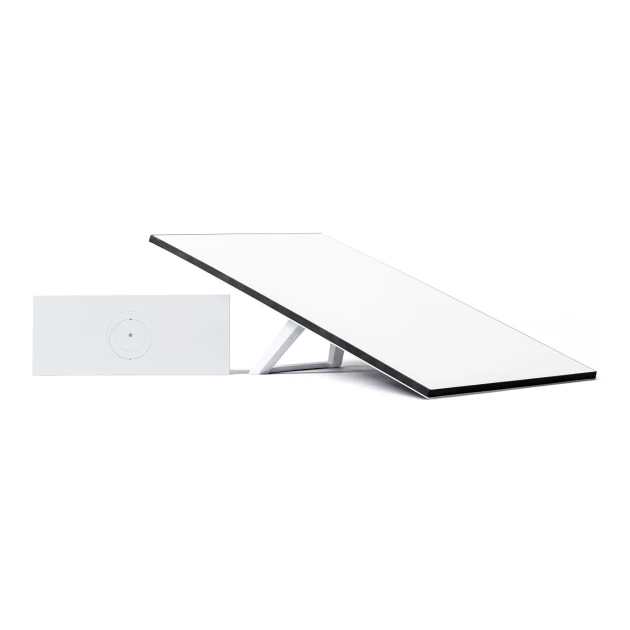
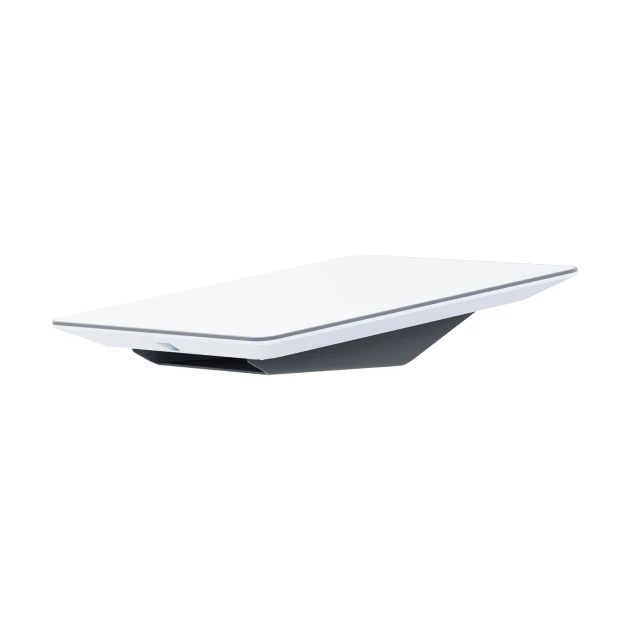
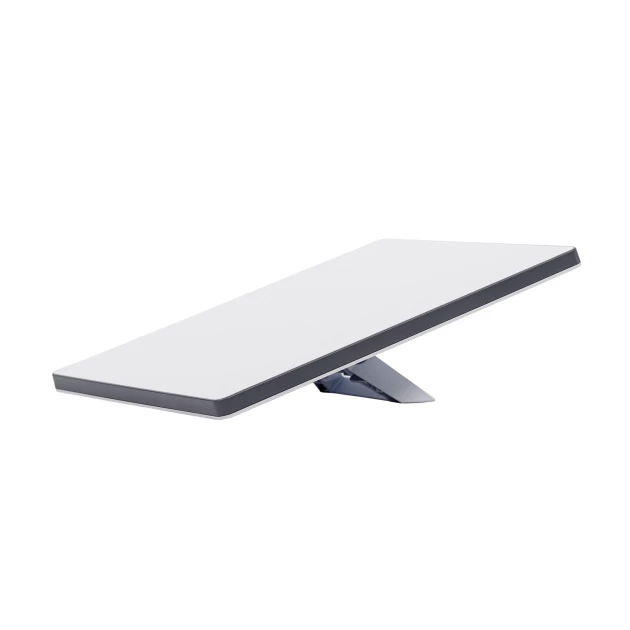
For the average consumer, the Starlink Standard kit provides everything needed for a quick setup, including a rectangular phased-array dish, a Wi-Fi router, and power cables. The system is designed for simplicity, often taking only a few minutes to get running. The hardware is built to be resilient, though users in extreme heat may find the dish requires cooling to maintain peak performance. For those who need more power or mobility, Starlink offers High Performance and Mini versions tailored for businesses, maritime use, and travelers.
Performance is a key highlight, with Residential users typically seeing download speeds around 100 Mbps and latency ranging between 25ms to 50ms. These figures represent a significant leap over legacy satellite providers. As SpaceX continues to deploy Gen2 and Gen2 Mini satellites—which offer up to 80 Gbps of bandwidth per satellite—the overall network capacity and speed are expected to improve further.
Beyond home use, Starlink is expanding into mobile broadband, with specialized plans for RVs (Roam) and aviation. It has even integrated with Apple devices via iOS 18.3 to enable satellite texting. Whether you are a remote worker in a rural village or a business requiring prioritized data, Starlink offers a scalable solution to stay connected regardless of local infrastructure.
Specifications
info
SpaceX
Manufacturer
info
Low Earth Orbit (LEO) ~550 km
Satellite Orbit
aspect_ratio
513 mm x 303 mm
Standard Dish Dimensions
scale
2.9 kg
Standard Dish Weight
bolt
50 to 75 watts (Standard)
Power Consumption
bolt
100-240V AC
Power Input
speed
100 Mbps (Residential)
Typical Download Speed
speed
5 Mbps to 10 Mbps
Typical Upload Speed
info
25 ms to 50 ms
Latency
info
128 devices
Max Device Connections
info
Up to 30 (Standard Router)
Simultaneous Connections
thumb_up Pros
Significantly lower latency than traditional satellite ISPs
Fast download speeds (up to 100-300 Mbps depending on plan)
Easy setup process taking only a few minutes
Available in remote areas without cable infrastructure
Flexible plans including Residential and Roam
thumb_down Cons
High upfront hardware cost
Performance can vary based on cell congestion
Hardware can shut down in extreme heat
Some plans are deprioritized compared to Residential/Business
For Sri Lankan shoppers, check the official Starlink availability map to confirm service in your specific region. If you are a home user, the Residential plan is recommended for prioritized network resources. If you travel frequently, consider the Roam plan. Be prepared for a significant one-time hardware fee in addition to the monthly subscription.
★★★★★
"The ability to download content so quickly compared to our standard BT line is amazing."
★★★★★
"I’ve personally been using it for over a year and couldn’t be happier!"
★★★★★
"Starlink was like being catapulted into the 21st century, helping with remote learning and healthcare."
Video Reviews
I bought UK Starlink internet... I'm shocked!
Joshua De Lisle · 1,001,120 views
I Tried the STARLINK Mini... Is It Actually Worth It?
Snowstead · 999,467 views
Setup Starlink for the First Time! [Beginner’s Guide]